Valentine Coloring Page Design Art Embroidery Review
As a designer who spends more time staring at stitch density charts than actual social media feeds, I approach every new digital asset with a healthy dose of skepticism. We have all been there: you find a beautiful graphic online, download it, and immediately imagine how stunning it will look on a high-end hoodie or a delicate baby onesie. Then you load it into the machine, and reality sets in. The lines are too thin, the negative space is chaotic, or the overall composition simply doesn’t translate well when converted from vector pixels to thread.
This is exactly why I decided to put Valentine Coloring Page Design Art through its paces before recommending it for any client work or personal craft business inventory. This piece falls under the Coloring Pages Amp category and is classified as Graphics, which suggests a specific aesthetic—one that mimics hand-drawn sketches, outlines, and uncolored illustrations. For embroidery designers, this style presents a unique challenge and opportunity. It requires a shift in thinking from "filling shapes" to "defining lines." Below is my honest evaluation of how this design performs in real-world production scenarios.
The First Impression: Mood and Visual Personality
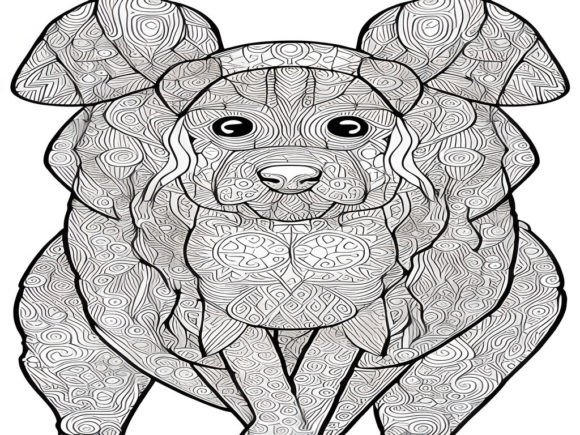
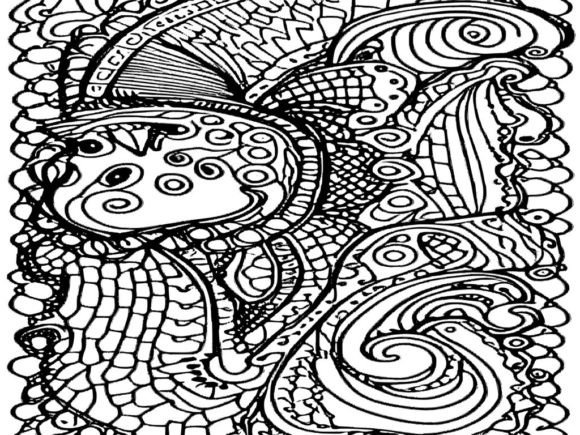
When you first open the files associated with Valentine Coloring Page Design Art, the immediate takeaway is its clean, illustrative quality. Unlike traditional clipart that relies on heavy solid fills, this design leans heavily on contour and line work. The mood is playful yet sophisticated, avoiding the overly saccharine clichés often found in mass-produced Valentine’s merchandise. It feels like something you might find in a premium coloring book for adults—relaxed, intricate enough to hold attention, but simple enough to be recognizable at a glance.
From a layout perspective, the central subject stands out clearly against the background elements. This is crucial for embroidery because cluttered designs tend to turn into a muddy mess of thread when stitched. The visual personality here is distinctly "handmade," which aligns perfectly with the current market trend toward artisanal, boutique-style products. It doesn’t scream "factory made"; it whispers "crafted by hand."
Real-World Application: Where Does It Shine?
I tested the conceptual application of this embroidery file across several common small business product categories. Here is where Valentine Coloring Page Design Art truly excels:
- Custom Apparel and Sweatshirts: When placed on the chest of a crewneck sweatshirt or the back of a t-shirt, the line-art style creates a subtle, textured look. It works exceptionally well as a sweatshirt embroidery piece because it allows the fabric color to show through the negative space, adding depth without overwhelming the garment.
- Tote Bag Design: A canvas tote is the perfect canvas for this style. The sturdy fabric can handle the tension of the stitches required for the outline work. When paired with natural jute or white cotton bags, the design pops beautifully, making it an ideal item for an Etsy seller looking to create affordable, high-margin gift items.
- Baby Embroidery and Nursery Decor: Because the lines are soft and the theme is gentle, this design translates wonderfully to baby clothes, burp cloths, and nursery wall art. It avoids the sharp, aggressive edges of some modern graphics, making it safe and appealing for parents looking for personalized gifts.
- Kitchen Towels and Aprons: In a home setting, this design adds a touch of whimsy to kitchen textiles. As a tea towel print or apron accent, it bridges the gap between functional household item and decorative art piece.
The versatility of this machine embroidery design lies in its adaptability. Whether you are creating a single personalized gift for a friend or producing a batch of commercial embroidery items for a holiday market, the core aesthetic remains consistent and professional.
Technical Considerations and Stitch Behavior
No matter how beautiful a graphic looks on screen, its success depends entirely on how it stitches. With Valentine Coloring Page Design Art, the primary technique will likely involve satin stitch for the main outlines and perhaps running stitch or light fill stitch for internal details if the software converts them appropriately.
One of the biggest risks with line-art designs is that they can appear sparse if the stitch length is not optimized. If the stitch density is too low, the fabric may pucker or the lines may break visually. Conversely, if the digitizer (or your conversion settings) makes the lines too thick, you lose the delicate "coloring page" aesthetic and it starts to look like a bold logo. I recommend starting with a medium-density satin stitch to maintain clarity without adding unnecessary bulk.
Additionally, pay close attention to the thread colors. Since this is a line-based design, contrast is king. On dark fabrics, you will need a bright, opaque thread color to ensure the lines are visible. On light fabrics, a slightly darker tone provides definition without harshness. Always test your thread colors on scrap pieces of the actual fabric you plan to use, as texture can significantly alter how the eye perceives the line weight.
Where to Use Caution
While this design is versatile, there are specific scenarios where it requires careful handling:
- Small Hoop Sizes: Avoid shrinking this design down too far. If the individual lines become thinner than 1-2mm, the needle may skip stitches, or the lines may become indistinct blobs of thread. Ensure your hoop size accommodates the minimum detail level.
- Textured and Stretchy Fabrics: Be wary of using this on highly textured materials like bouclé wool or very stretchy jersey knits without proper stabilization. The distortion from the fabric grain can warp the straight lines, ruining the clean aesthetic. Always use a high-quality stabilizer appropriate for the fabric type.
- Dense Stitch Areas: If the design includes small internal details that require dense filling, check for potential puckering. Line art generally floats better than heavy fills, but combining the two requires precise balancing.
- Curved Surfaces: Applying this to caps or curved hats can be tricky. The flat nature of the drawing may not conform well to the curvature of a cap front, leading to gaps or tension issues.
Impact on Product Value and Brand Consistency
For craft business owners and small shop product creators, the choice of design directly impacts perceived value. Valentine Coloring Page Design Art elevates a standard holiday item into something that feels curated and thoughtful. Customers are increasingly drawn to designs that feel authentic and less "corporate." By using this graphic, you signal that you care about aesthetics and detail, which builds customer trust and encourages repeat purchases.
Furthermore, this design supports strong brand consistency. Its clean lines and monochromatic-friendly nature make it easy to pair with other minimalist assets in your shop. Whether you are creating printable mockups for digital sales or showcasing physical finished product photos, the design photographs well and maintains its integrity across different media.
Practical Designer Notes Before You Stitch
Before you rush to produce your first batch of embroidered patches or tote bag design variations, please consider these essential steps:
- Test on Scrap Fabric: Never go straight to your final product. Run the design on a scrap piece of the exact fabric you intend to sell.
- Check Black and White Mockups: View your design in grayscale. This helps you assess the balance of positive and negative space, ensuring the design isn't too busy or too empty.
- Confirm Licensing: Although the product description mentions digital files, always verify the commercial license terms. Ensure you are allowed to sell finished products created with this digital embroidery file.
- Inspect Small Details: Zoom in on the finest lines. Are they connected? Will they break during trimming? Adjust the digitization if necessary to prevent thread breaks.
- Compare Backgrounds: Test the design on both light and dark backgrounds to ensure visibility and contrast meet your standards.
In conclusion, Valentine Coloring Page Design Art is a strong candidate for designers looking to add a touch of elegance and playfulness to their Valentine’s Day offerings. It respects the limitations of the medium while maximizing the charm of the source material. With careful execution and proper testing, it can serve as a cornerstone for a successful line of holiday embroidery products.