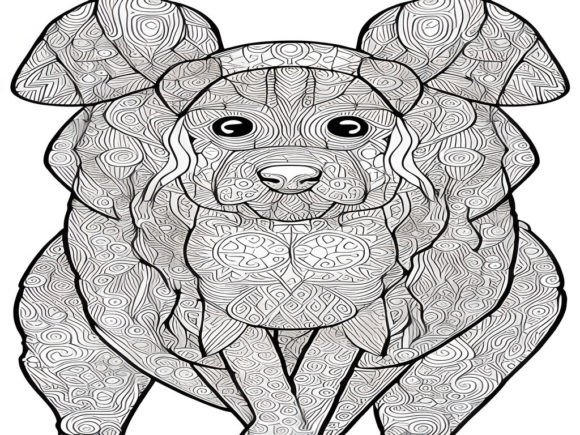
Review: 1 Coloring Pages “DOG” Embroidery Design
As a designer who spends half my life staring at stitch charts and the other half trying to sell handmade goods, I have learned that not every cute graphic translates well to thread. There is a distinct gap between a digital image that looks great on a screen and an embroidery file that holds up under the tension of a machine needle. Today, I am putting 1 Coloring Pages “DOG” through its paces to see if it deserves a spot in your design library or your next Etsy listing.
First Impressions and Visual Personality
The moment you unpack the zip file containing this digital embroidery file, the versatility jumps out. You are receiving six different formats, including JPG, PNG, ESP, SVG, BMP, PDF, and PL. For a designer, this is gold. It means whether you are working with basic home machines or high-end commercial setups, you have options. The resolution provided (2800 px x 4200 px) ensures that even if you need to scale this for a large tote bag design or a detailed patch, you won’t lose critical edges.
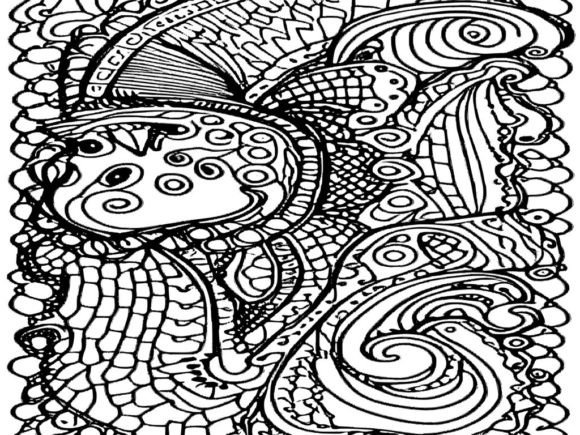
Visually, the "DOG" theme taps into a universal emotional trigger. Dogs represent loyalty, playfulness, and comfort. In the world of personalized gifts, few subjects resonate as quickly. The layout feels clean and modern, avoiding the cluttered look that often plagues lower-quality machine embroidery designs. It has a bold, graphic quality that suggests it was built with clarity in mind. This isn’t just a clipart image slapped onto a hoop; it feels like a deliberate design asset ready for production.
Real-World Application: From Screen to Stitch
Let’s talk about where this design actually lives. I recently had a client request a custom sweatshirt for their golden retriever lover daughter. Usually, finding a design that balances cuteness with professional stitching potential is a nightmare. 1 Coloring Pages “DOG” fits perfectly into this scenario. Imagine this embroidered on the chest of a soft cotton blend sweatshirt embroidery project. The clean lines would pop against a heather grey fabric, creating a premium handmade product feel.
But don’t stop at apparel. This design screams nursery decor. Picture it stitched onto a muslin blanket or a felt baby embroidery bib. The shapes are likely simple enough to be recognizable even when rendered in thick threads. For an Etsy seller, this opens up multiple revenue streams. You can offer this as a standalone embroidery project for hobbyists, or use it to create finished goods like custom apparel, aprons, and pillow covers.
Consider the holiday market. Holiday embroidery is huge, but generic snowflakes get stale. A dog-themed design adds a personal touch that buyers love. It works beautifully as a gift tag, a small wall hanging, or even a festive kitchen towel. The ability to modify the design across those six formats means you can tweak colors or sizes to match specific holiday palettes without starting from scratch.
Technical Performance and Stitch Clarity
When evaluating any graphics for embroidery, I look at how the elements translate to stitches. Does the design rely on tiny details that will disappear? Is the stitch density balanced?
While the exact stitch count isn’t listed in the package description, the file structure suggests a thoughtful approach. The inclusion of SVG and EPS files allows for vector editing, meaning you can adjust the hoop size and spacing before converting to a machine-readable format like PL or ESP. This is crucial for maintaining integrity. If the original artwork has thin lines, they might translate poorly as a single line of running stitch unless backed properly. However, if the design utilizes broader areas, it could easily support fill stitch patterns for a textured, plush look.
I recommend testing the color contrast carefully. Since this is described as a "coloring page" style, it likely relies on negative space. When embroidering, ensure your thread colors provide enough contrast against your chosen fabric. On dark fabrics, you might need a dense underlay or a light-colored base layer to make the design visible. On light fabrics, darker threads will give it that crisp, boutique look that drives sales.
Where to Use It Carefully
Not every surface is created equal. While 1 Coloring Pages “DOG” is versatile, there are limits. Avoid placing this on highly textured fabrics like heavy wool or boucle unless you are experienced with stabilizers, as the texture can hide the stitch definition. Similarly, be cautious with stretchy knits if you aren’t using a tear-away or cut-away stabilizer correctly, as the fabric may pucker around the edges of the design.
Small hoop sizes can also be tricky. If the design includes fine details, shrinking it down too much might result in a muddy blob of thread. Always inspect small details by zooming in on your digitizing software before hitting start. Curved surfaces, like the front panel of a fitted cap, require careful hooping to avoid distortion. If you plan to use this for an embroidered patch, ensure the border is strong enough to withstand frequent washing and handling.
Impact on Brand and Customer Trust
In the craft business, presentation is everything. A well-executed finished product builds trust. When a customer sees a clean, professionally stitched dog design on a tote bag or a baby onesie, they perceive higher value. They assume the maker took care. Conversely, loose threads, puckering fabric, or misaligned elements signal low effort.
Using a high-quality, editable source like this gives you control over that final presentation. You can adjust the placement, add monograms, or combine it with other elements to create a unique brand identity. For an apparel decorator or small shop owner, this flexibility is key to standing out in a saturated market. It allows you to offer printable mockups that accurately represent the final look, reducing returns due to "not what I expected."
Practical Designer Notes for Success
Before you rush to produce hundreds of units, follow these steps to ensure quality:
- Test on Scrap Fabric: Always run a test stitch-out on the same type of fabric you plan to sell. This reveals issues with tension, stability, and color visibility.
- Check Thread Contrast: View your design in black and white mockups to ensure the shapes remain distinct regardless of color choices.
- Confirm Licensing: Verify the terms for commercial use. Even if you own the file, some licenses restrict selling physical items or require attribution.
- Inspect Small Details: Look closely at corners and thin lines. These are the first places to fail during production.
- Use Proper Stabilizer: Match your stabilizer to your fabric weight. Heavy fabrics need heavy stabilization; delicate fabrics need gentle support.
- Compare Backgrounds: Test the design on both light and dark backgrounds to see how it performs in different lighting conditions.
1 Coloring Pages “DOG” offers a solid foundation for a variety of commercial embroidery projects. Its multi-format availability and clean aesthetic make it a practical choice for designers who value efficiency and quality. Whether you are creating a one-off personalized gift or scaling up for a craft fair, this design provides the visual appeal needed to engage customers. Just remember: the best embroidery project starts with careful preparation and a realistic eye for how thread interacts with fabric.