Reviewing Hanok House Vintage Logo Illustration for Embroidery
As a designer who spends more time than I care to admit staring at stitch density charts and testing thread tension, I approach every new asset with a healthy dose of skepticism. The market is flooded with "ready-to-stitch" files that look beautiful on screen but turn into a tangled mess on the hoop. Today, I am putting Hanok House Vintage Logo Illustration through its paces—not just as a digital graphic, but as a potential centerpiece for real-world embroidery projects.
I recently received this file under the category of Freebies, which often implies a lack of polish or commercial viability. However, after opening the vector files in Adobe Illustrator, my perspective shifted immediately. This isn't just a clipart image; it is a structured design asset that demands thoughtful application. Here is my honest breakdown of how this design performs when translated from pixels to thread.
The First Impression: Mood and Visual Personality
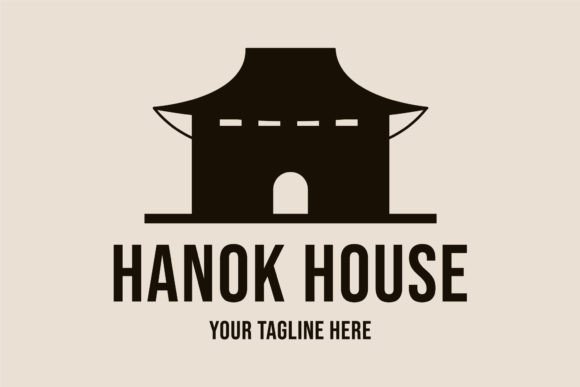
The moment you load Hanok House Vintage Logo Illustration, the aesthetic speaks for itself. It carries a distinct nostalgic weight, blending traditional architectural elements with a refined vintage sensibility. For an embroiderer, the immediate question is always: "Does this translate well?"
The answer is yes, but with conditions. The design relies on clean lines and recognizable silhouettes rather than chaotic detail. This is crucial because machine embroidery struggles with ambiguity. The vintage logo style provides a clear focal point—a central house structure—that anchors the eye. When I imagine this stitched onto a cream-colored canvas tote bag or the chest of a heavyweight sweatshirt, it doesn't look like a cheap sticker; it looks like established branding. The visual personality is calm, heritage-focused, and slightly rustic, making it perfect for brands that want to evoke warmth and stability.
Real-World Application: From Desk to Hoop
Let’s talk about practical use cases. I don’t design in a vacuum; I design for people who need to sell products or create meaningful gifts. Where does Hanok House Vintage Logo Illustration fit best?
- Custom Apparel: Imagine this embroidered on the left chest of a unisex hoodie in heather grey. The vintage theme pairs naturally with muted earth tones. It elevates a basic garment into a statement piece suitable for a boutique clothing line.
- Home Goods: This design shines on kitchen textiles. A tea towel or a flour sack apron featuring this logo feels domestic and inviting. It suggests a home-cooked meal and a lived-in space, which resonates deeply with customers looking for handmade authenticity.
- Baby and Nursery Items: Because the design is iconic rather than overly complex, it works surprisingly well for baby blankets or muslin swaddles. It avoids the cluttered look of busy patterns, offering a serene, monochromatic accent that parents appreciate.
- Commercial Merchandise: For Etsy sellers or craft fair vendors, this is a versatile asset. It can be adapted for embroidered patches, cap fronts, or even pillow covers. Its neutral yet distinctive vibe allows it to fit into various niches, from Korean culture enthusiasts to general vintage decor lovers.
Technical Considerations and Stitch Behavior
This is where many designers fail. They download a file and assume it will work. With Hanok House Vintage Logo Illustration, you must consider the translation from vector to stitch. Since the product description notes that the EPS file should be opened in Adobe Illustrator for best results, we are dealing with pure vector data. This is excellent news for scalability, but it places the burden of digitization on you if you are converting it yourself, or requires confidence in the provided digitized version if one exists.
If you are using this as a machine embroidery design directly, pay close attention to the following:
- Stitch Density: Vintage logos often rely on solid fills. Ensure your stitch density is appropriate for the fabric. On thin fabrics, high density can cause puckering. On heavy denim, it might look too stiff.
- Satin vs. Fill: The outline of the house likely benefits from a crisp satin stitch to define the edges, while interior details might require fill stitch or running stitch to reduce bulk. Test these combinations on scrap fabric first.
- Hoop Size Constraints: If you plan to place this on small items like caps or baby onesies, verify the hoop size. The design’s width must not exceed your machine’s capabilities without resizing, which could distort the aspect ratio.
- Fabric Texture: This design has a clean, geometric feel. It may get lost on highly textured fabrics like bouclé or chunky knits. Stick to smoother surfaces like cotton twill, jersey, or linen blends for maximum clarity.
Where to Exercise Caution
No design is universally perfect. There are specific scenarios where Hanok House Vintage Logo Illustration might present challenges:
- Small Detail Areas: If the design includes tiny text or intricate roof tiles, ensure these elements are large enough to be distinguished by thread. Tiny details often merge into blobs during stitching.
- Dark Fabrics: While possible, embroidering light-colored threads on dark fabric requires careful underlay stitching to prevent the base fabric from showing through. Conversely, dark threads on black fabric can disappear entirely unless you use a contrasting stabilizer or topstitch.
- Curved Surfaces: Applying this to a curved surface like a baseball cap requires precise hooping techniques. The flat nature of the original vector needs to be mentally mapped onto a 3D curve to avoid distortion.
Value for the Creative Entrepreneur
For the Etsy seller or small business owner, the value of Hanok House Vintage Logo Illustration lies in its versatility and professional finish. It helps maintain brand consistency across different product types. Whether you are creating a handmade product line or offering personalized gifts, this design adds a layer of sophistication that customers recognize and trust.
It also enhances the perceived value of your finished product. A well-executed embroidery project using a strong, coherent design like this logo signals quality. It tells the buyer that you care about the details, from the thread colors chosen to the precision of the placement.
Final Verdict and Practical Next Steps
Is Hanok House Vintage Logo Illustration worth adding to your design assets library? Absolutely. It is a robust, aesthetically pleasing graphic that bridges the gap between digital art and tactile craft. It works beautifully for custom apparel, holiday embroidery projects, and commercial embroidery ventures alike.
Before you commit to a full production run, remember these final tips:
- Test First: Always stitch a test sample on your actual target fabric.
- Check Contrast: Use a black-and-white mockup to ensure the design remains legible without color distraction.
- Verify Licensing: Although listed as a freebie, confirm the terms for commercial embroidery usage before selling finished goods.
- Use Proper Stabilizer: The right stabilizer can make or break the final look, especially for vintage-style designs that rely on clean lines.
In short, this is a high-quality asset that rewards careful execution. If you treat it with the respect it deserves—paying attention to stitch quality, fabric choice, and presentation—it will serve as a standout element in your creative portfolio.