Robot Digital Embroidery Design Review
As a designer who spends more time than I care to admit staring at stitch charts and testing thread tensions, I don’t just look for pretty pictures when I’m scouting for new machine embroidery design assets. I look for viability. I need to know if a design will hold up on the hoop, translate well through fabric texture, and ultimately justify the time it takes to digitize and stitch. Recently, I pulled Robot Digital from the Freebies section of a graphics marketplace to see if it had the legs to be a staple in my own creative workflow. Here is my honest take on how this Graphics asset performs in real-world scenarios.
First Impressions: Mood and Visual Personality
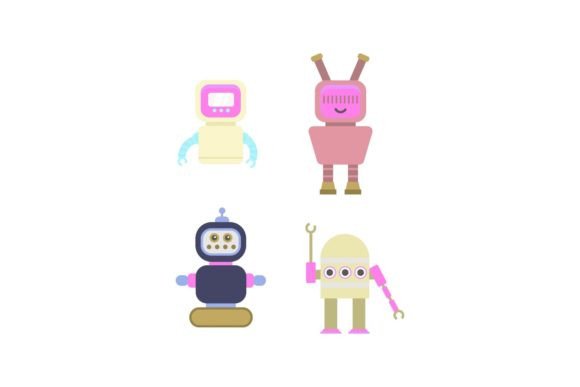
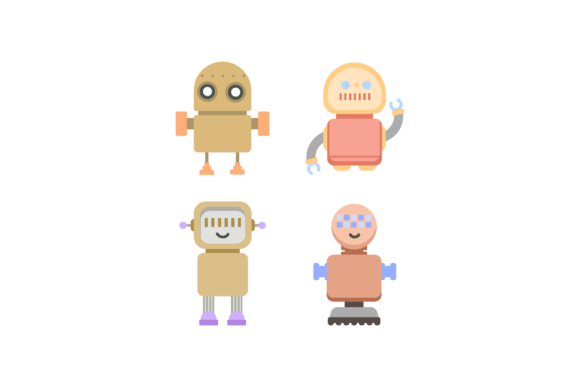
The first thing that strikes you about Robot Digital is its clean, geometric confidence. In a sea of overly ornate floral patterns or cluttered novelty designs, this file stands out because it understands negative space. The mood is modern, slightly playful, but grounded enough to work in professional settings. It doesn’t scream for attention; it invites a closer look.
Visually, the layout feels balanced. The shape suggests a stylized figure that relies on strong lines rather than complex shading. This is crucial for us because it tells me immediately that this design is likely optimized for clarity. When I opened the provided files—specifically the AI and SVG formats—I appreciated the crisp vector edges. For an embroiderer, this means fewer ambiguous paths during the conversion process. The visual personality here is "approachable tech," which makes it surprisingly versatile. It isn’t locked into just one niche; it can pivot from a child’s bedroom decor item to a trendy streetwear accent depending entirely on your execution choices.
Real-World Application: From Concept to Finished Product
I decided to test Robot Digital by imagining it as part of a custom order for a small boutique client. The brief was simple: create a line of personalized gifts for tech enthusiasts and hobbyists. My initial thought was a high-quality canvas tote bag design. Because the robot graphic is bold, it would anchor the bag well without getting lost in the weave of the fabric. However, I also considered a soft cotton sweatshirt embroidery project. On a fleece or heavy jersey, the clean lines of the robot would pop against the texture, creating a tactile contrast that customers love.
Beyond apparel, I see this embroidery project shining in the nursery market. A subtle, monochromatic version of Robot Digital stitched onto a muslin blanket or a onesie could serve as a unique personalized gift for parents who appreciate modern aesthetics over traditional teddy bears. It also works exceptionally well as an embroidered patch for denim jackets or backpacks, offering a customizable badge of identity for the wearer.
For those of us running an Etsy shop or a craft business, this design offers flexibility. You can use it as a base for a series of products. Imagine a set of kitchen towels featuring the robot holding a whisk, or a holiday-themed variation where the robot wears a Santa hat. The versatility of the core graphic allows you to scale your inventory without needing to commission new art constantly.
Where to Exercise Caution
No design is perfect for every surface, and Robot Digital is no exception. While the main shapes are robust, there are areas where you need to be careful. If you plan to stitch this on a curved surface like a baseball cap or a beanie, you must ensure your hooping technique is flawless. Small details might distort if the fabric stretches unevenly during stitching.
I would also advise caution when working with textured fabrics like waffle knit or thick chenille. The fine lines of the robot might get swallowed by the pile of the fabric, reducing the impact of the design. Similarly, if you attempt to stitch this on a very small hoop size, you risk losing definition in the corners. Always check the hoop size requirements before committing to a small accessory like a baby bib or a keychain.
Another critical factor is fabric color. Because this is a digital vector file that you will convert into stitch data, the contrast between your thread colors and the background fabric is paramount. On dark fabrics, you will need a solid underlay and possibly a cut-away stabilizer to prevent the design from sinking into the material. On light fabrics, ensure your thread selection provides enough punch so the design doesn’t look washed out.
Technical Considerations for the Designer
When preparing Robot Digital for production, several technical aspects demand your attention. First, always inspect the stitch density. Even though the source files are vectors, the final embroidered result depends on how the software interprets the fill stitches. If the density is too high, the fabric may pucker. If it is too low, the backing may show through. I recommend exporting a test run and checking the back of the fabric for stability.
Color planning is equally important. Don’t just pick threads that match the original digital preview. Test them on your actual substrate. A bright blue that looks vibrant on screen might appear muddy on a specific brand of cotton twill. Use black and white mockups early in the process to evaluate the tonal values and ensure the design has good contrast regardless of color choice.
Stabilizer selection cannot be overstated. For a design like this, which likely contains both outline and fill elements, a tear-away stabilizer might suffice for stable woven fabrics, but a cut-away is safer for knits or garments that will undergo frequent washing. Remember that a finished product that holds its shape after ten washes builds customer trust far more than a flashy design that falls apart after two.
Final Verdict on Value and Usability
From a commercial standpoint, Robot Digital offers excellent value. As a freebie, it removes the barrier to entry for testing new themes. For established sellers, it serves as a reliable design asset that can be quickly adapted for seasonal trends. The inclusion of multiple formats (AI, EPS, SVG) makes it easy to integrate into existing workflows, whether you are designing for direct-to-garment printing or creating printable mockups for digital product previews.
However, always verify the licensing terms before using this for any commercial embroidery ventures. Just because it is free to download does not automatically mean it is free to sell. Check the specific terms provided by the creator regarding resale rights for physical goods and digital derivatives.
In conclusion, Robot Digital is a clean, adaptable, and visually appealing addition to any embroiderer’s library. It balances modern aesthetics with practical stitchability, making it suitable for everything from casual custom apparel to thoughtful holiday embroidery gifts. If you are looking to add a touch of contemporary flair to your handmade products without compromising on quality, this design is worth your time. Just remember: test thoroughly, choose your materials wisely, and let the design speak for itself.