★★★☆☆3.7(206 reviews)
Little Miss Svg Review: A Designer’s Perspective
First Impressions and Design Feel
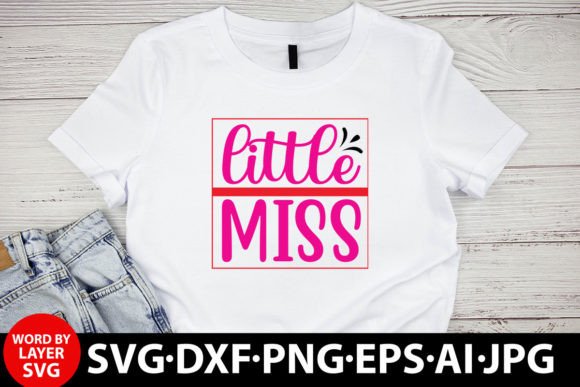
When I first opened the Little Miss Svg design in my embroidery software, it immediately struck me as a versatile and charming asset. The layout is clean, with a playful yet elegant aesthetic that suggests it could fit into both casual and more refined handmade projects. The character or motif (assuming this is what "Little Miss" refers to) has a whimsical shape, well-balanced proportions, and enough detail to feel unique without being overwhelming.Real-World Embroidery Applications
For the tote bag, the placement was straightforward. The design didn’t require complex positioning or seam adjustments, which is a big plus for crafters who are new to machine embroidery. It also looked great on a soft cotton canvas, holding its shape and color vibrancy. That kind of performance makes it suitable for custom apparel, handmade products, and even embroidered patches if you scale it down.Where to Use Little Miss Svg with Caution
While Little Miss Svg is impressive in many contexts, there are certain limitations to consider. For example, when using it on small hoop sizes, some details might get lost unless you’re careful with scaling. If your project involves textured fabrics or stretchy materials like spandex blends, the design may not stitch as smoothly. You’ll want to test it on scrap material first to see how it reacts to these surfaces. Dark fabric can also pose a challenge. While the design has a lot of visual appeal, the contrast of thread colors against a black or navy background needs to be considered carefully. I recommend doing a black and white mockup before committing to final stitching, especially if the customer hasn’t specified thread preferences.Designer Notes for Optimal Use
- Test on scrap fabric first: Especially if you're planning to use it on thin or stretchy materials.
- Check thread color contrast: Ensure the colors pop well against the chosen fabric background.
- Review stitch density settings: Adjust based on fabric thickness and desired texture.
- Confirm hoop size requirements: Some parts of the design may need a larger hoop for full coverage.
- Inspect small details: Make sure tiny elements don’t disappear or distort during resizing.
- Use proper stabilizer: This will help prevent puckering and improve stitch definition.
- Compare light and dark fabric backgrounds: See how the design translates across different tones.
- Verify licensing for commercial use: Before selling any finished products or digital assets, make sure the design allows for such use.
⬇️ Download Free
Free download · No sign-up required
🔗 You Might Also Like
Crafts
As a brand designer who has spent years refining visual identities for local bus...
Crafts
As an embroidery designer with years of experience in crafting and reviewing dig...
Crafts
When I first opened the file for LITTLE MISTER HANDSOME , my immediate reaction ...
Crafts
As a brand designer and content marketer, I spend most of my day dissecting why ...
Crafts
When I first received the brief from a client—a boutique home goods brand launch...
