Kisses 5 Embroidery Design Review: A Designer’s Take on Real-World Application
As an embroidery designer who spends hours evaluating digital assets for both personal passion projects and client work, I have learned to look past the pretty preview image. When a file lands in my inbox or appears in a marketplace, my first question is never "Is it cute?" It is "Will this stitch out cleanly?" and "Does this add value to a finished product?" Today, I am putting Kisses 5 under that same microscope. This Word By layer SVG Cut file is marketed as an instant digital download containing a variety of formats including SVG, EPS, PNG, DXF, AI, and JPEG. While these are standard vector and raster formats often used for cutting machines like Cricut or Silhouette, my focus here is strictly on how this design translates into a physical machine embroidery design when digitized or traced for stitching.
First Impressions and Visual Personality
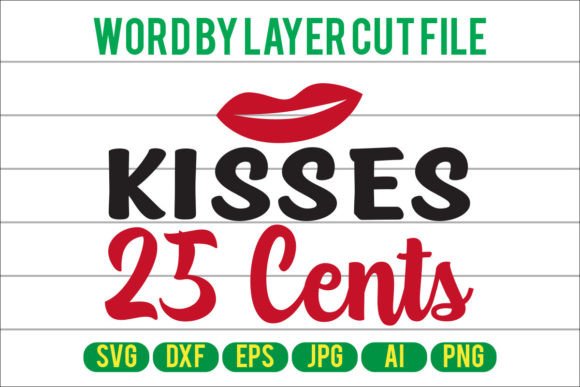
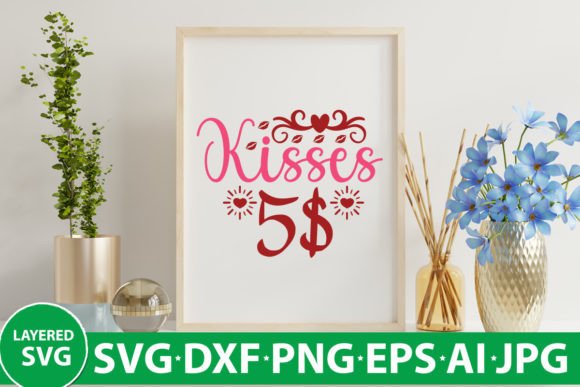
The name Kisses 5 suggests intimacy, affection, and softness. In the world of Graphics and Crafts, typography-based designs are ubiquitous, but execution varies wildly. From a visual standpoint, the layout appears clean and centered, which is crucial for embroidery project balance. The mood is undeniably romantic yet playful, making it a strong candidate for gifts that require a personal touch.
When I look at the negative space and the weight of the letters, I see a design that relies heavily on clarity. It does not appear to be overly ornate with excessive flourishes that might tangle during high-speed stitching. Instead, it feels modern and minimal. For a handmade product maker, this simplicity is a blessing. It means the design will likely hold up well against wear and tear, a critical factor for items like tote bag design elements or sweatshirt embroidery that see frequent use. The visual personality is approachable, which aligns perfectly with the current trend toward authentic, heartfelt branding in small businesses.
Real-World Use Cases: Where Kisses 5 Shines
I recently imagined using Kisses 5 for a specific client request: a set of matching mother-and-baby gift sets. The client wanted something subtle enough for a newborn’s onesie but distinct enough to be recognized as a premium boutique item. Here is how I see this design performing in those scenarios:
- Baby Embroidery: The soft theme of "Kisses" pairs beautifully with baby apparel. Because the design is text-based, it avoids the potential snag hazards of complex pictorial scenes. It works exceptionally well as a chest logo on custom apparel or centered on a burp cloth. The clean lines ensure that even on thin cotton knits, the design remains legible and doesn’t distort the fabric excessively.
- Holiday Embroidery: Valentine’s Day and anniversaries are peak seasons for personalized gifts. Kisses 5 fits naturally into this category. I envision this on canvas tote bag design iterations for date nights, or perhaps embroidered onto flannel pajama pants. The versatility of the file formats (SVG, DXF) allows for easy scaling, ensuring the text remains proportional whether it is placed on a tiny hat or a large pillow cover.
- Commercial Embroidery and Etsy Listings: For the Etsy seller or small shop product owner, efficiency is key. A design that stitches quickly without requiring constant thread trims or re-hooping increases profit margins. If Kisses 5 digitizes efficiently, it becomes a staple for craft business inventory. It also serves as excellent content for printable mockup creation, allowing sellers to showcase the aesthetic before selling the physical item.
Technical Considerations and Stitching Clarity
While the concept is sound, the devil is in the details. As a reviewer, I must address the technical realities of turning a graphic into a stitched reality. The product description mentions it is a Word By layer SVG Cut file. This implies that the letters may be separated or grouped in a way that allows for creative color blocking if you are using multi-color thread sequences.
However, we must consider stitch density. Text-based designs can become muddy if the fill stitch is too dense, especially on stretchy fabrics. If you plan to use this for cap embroidery or apron decoration, you need to ensure the underlying digitization (or your own tracing) uses appropriate underlay to stabilize the fabric. Without proper stabilizer, the tension may pucker, ruining the professional look of the finished product.
Furthermore, the choice between satin stitch outlines and fill stitch interiors will drastically change the final appearance. A satin outline gives a crisp, defined edge, while a fill stitch offers a softer, more textured look. Given the romantic theme, a combination might be ideal, but this depends entirely on the specific digitization quality, which you must verify before purchasing or using.
Where to Exercise Caution
No design is perfect for every application. There are specific scenarios where Kisses 5 might struggle, and knowing these boundaries protects your reputation as a maker.
- Small Hoop Sizes: If the lettering has fine serifs or intricate cuts, shrinking the design down to fit a 4x4 hoop or smaller may result in lost details. Always check the minimum viable size before committing to a small embroidered patch or jewelry box lid.
- Textured Fabrics: While great for smooth cottons and linens, this design might get lost on heavy denim, boucle wool, or terry cloth. The contrast needed for readability can be compromised by the fabric's nap.
- Dense Stitch Areas: If the design includes large blocks of text, avoid placing it on areas of garments that undergo significant stretching, such as the shoulders of a tight-fitting t-shirt. The stiffness of the embroidery could restrict movement or cause cracking over time.
- Dark Fabric Contrast: Ensure your thread colors provide sufficient contrast. On black or navy backgrounds, light threads may require a higher stitch count to achieve opacity, which increases production time.
Practical Designer Notes for Implementation
Before you upload Kisses 5 to your machine or send it to a print-on-demand service, follow these steps to ensure success:
- Test on Scrap Fabric: Never assume a design will behave perfectly. Run a test stitch-out on the actual fabric type you intend to use. This reveals issues with thread tension, needle size, and stabilizer choice.
- Check Licensing: The description notes "Copyright Free," but always read the fine print. Are you allowed to sell the finished product? Can you use it in commercial embroidery projects? Clarifying this prevents legal headaches later.
- Review File Formats: You receive SVG, EPS, PNG, DXF, AI, and JPEG files. If you are digitizing from scratch, the AI or EPS files offer the best vector precision. If you are using pre-digitized files hidden within the package, inspect them closely for loose ends or unnecessary jumps.
- Black and White Mockups: View the design in grayscale. This helps you assess the balance and weight of the design without being distracted by color choices. It ensures the shape itself is strong.
Final Verdict
Kisses 5 is a versatile, emotionally resonant design asset that fits seamlessly into the portfolios of creative entrepreneurs and hobbyists alike. Its strength lies in its simplicity and adaptability. Whether you are creating a personalized gift for a friend or building a line of boutique branding merchandise, this design offers a solid foundation. Just remember to respect the technical limitations of embroidery, choose your materials wisely, and always prioritize stitch quality over speed. When executed correctly, Kisses 5 transforms from a simple digital file into a cherished tangible memory.